
Two local elected officials were in Washington D.C. within a week of each other recently, and both returned home with positive outlooks.
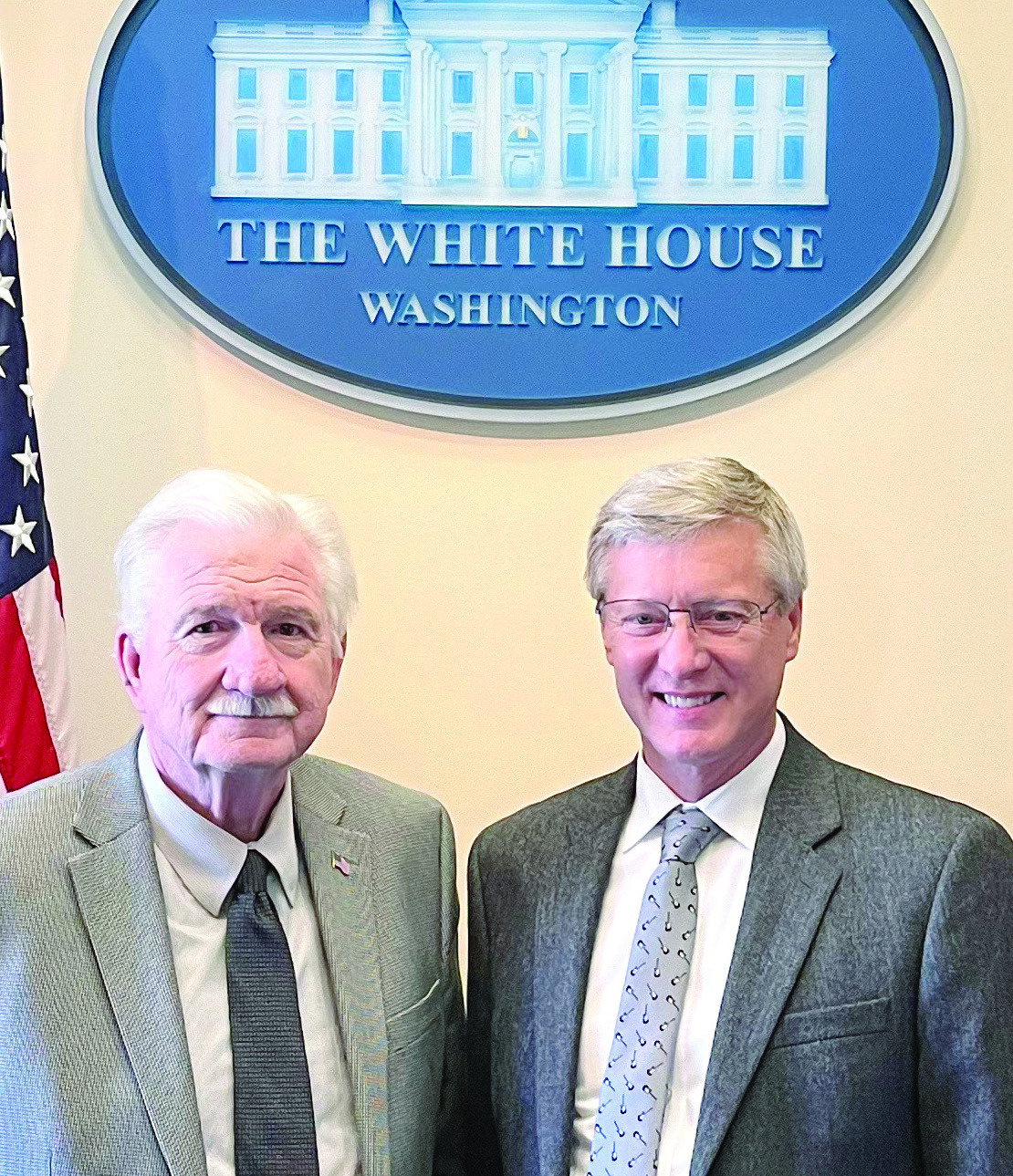
Baldwin County District 4 Commissioner Henry Craig, currently the president of the Association of County Commissioners of Georgia (ACCG), visited the nation’s capital Jan. 9-12 as part of the Presidents & Executives Meeting. Milledgeville Mayor Mary Parham-Copelan was there Jan. 19-20 and was a featured speaker at a forum that was a part of the national conference of mayors.
Craig, in the last year of his third term as a commissioner, said there were, in his opinion, three events of significance during his visit.
“The first day was about the national opioid settlement with some of the larger pharmaceutical companies in the country,” he said. “That will provide revenue to every state. Georgia has started receiving that revenue.” Craig noted that it is his understanding the Department of Behavioral Health and Development Disabilities (DBHDD) will be in charge of the distribution of funds in Georgia.
“The intent is to help programs in communities that are related to the consequences of opioid abuse across the country. Milledgeville and Baldwin County will eventually have to decide how those funds are used.”
Baldwin County Manager Carlos Tobar confirmed that the county has previously received funds as part of the opioid settlement, each totaling just over $11,000.
“One settlement was with Teva, Allergan, CVS, Walgreen’s, and Walmart. We also received money from the Janssen settlement.”
Craig said another aspect of the meeting was a visit to the White House to hear from representatives of various departments.
“The most interesting were the Department of Transportation and Homeland Security,” he said. “And, there were others who focused primarily on resources available to counties and cities across the country.”
The third event the commissioner noted was a leadership training session at the George Washington Leadership Institute.
“The training was based on the life of George Washington and how he learned leadership across the country. It focused on learning opportunities and that we all have events that actually create a learning opportunity.”
Craig said 40 states were represented at the meeting by association chairpersons and executive directors.
“It’s interesting that we all had the same issues, just some larger than others.”
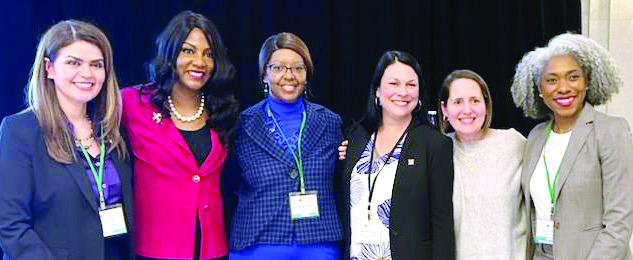
Parham-Copelan was one of three guest speakers at the Winter Mayors’ Innovation Projects (MIP) forum, which attracted mayors from across the country.
“I had the opportunity to speak on the 2024 election cycle with voters’ rights and access,” she said. “It was wonderful; we had a wonderful turnout, a very receptive crowd. They felt I was very honest and open about it. A lot of what I said, they felt like they couldn’t do, now they feel they are empowered to do.”
During the forum, Parham-Copelan was asked what her worst nightmare would be concerning the 2024 elections.
“Mine was, I do not want to see a 2020 election where we had so many different opinions, and it seems like democracy went out the door. And, we live in the United States where democracy is the key to what we live by.”
The second-term mayor commented that the events of that election in Georgia attracted unwanted attention.
“Georgia has now been put on the map, because of all the things that transpired,” Parham- Copelan said. “I don’t want to see that kind of election take place. I want people to be educated, to know about our referendum, to know what each person is running for that office— what platform they’re running on.”
Parham-Copelan went on to say individuals need to get involved, get educated, and try to help others, young people for example, understand the voting process.
“If a young person came up to you, that’s an opportunity,” she reasoned. “An opportunity to talk to them about government, civics….it’s an opportunity to see if they’re registered to vote, the opportunity to tell them about Georgia voting registration online.
“We’re so into the 21st century with electronics with different things, that we take our fingers to open our phones, use our eyelids to identify you.”
Parham-Copelan said that technology should be enough.
“That is why we should be able to get the vote right the first time, without all the hiccups and errors that we see. The voting ballots,” the mayor went on. “There shouldn’t be any mishaps on the voting ballots and the way people are allowed to vote.”