
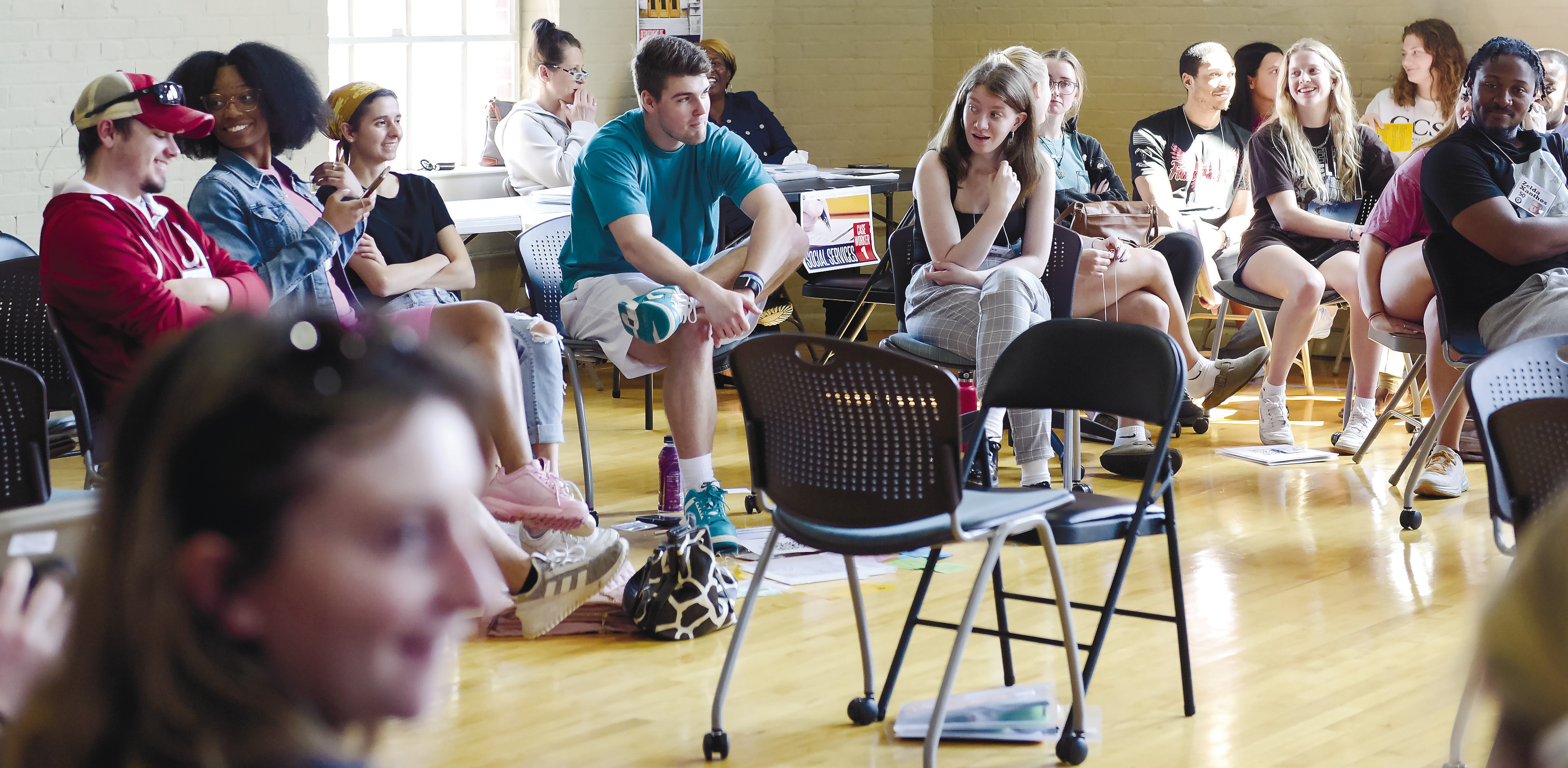
Georgia College & State University’s College of Health Sciences hosted a Community Action Poverty Simulation (CAPS) on March 24.
CAPS is a virtual reality simulation designed by the Community Action Poverty Simulation in Missouri. Last Friday, approximately 62 GCSU students attended the simulation. During the simulation, students took on the identity of someone in poverty and worked together with their family or group to live a ‘month’ in poverty.
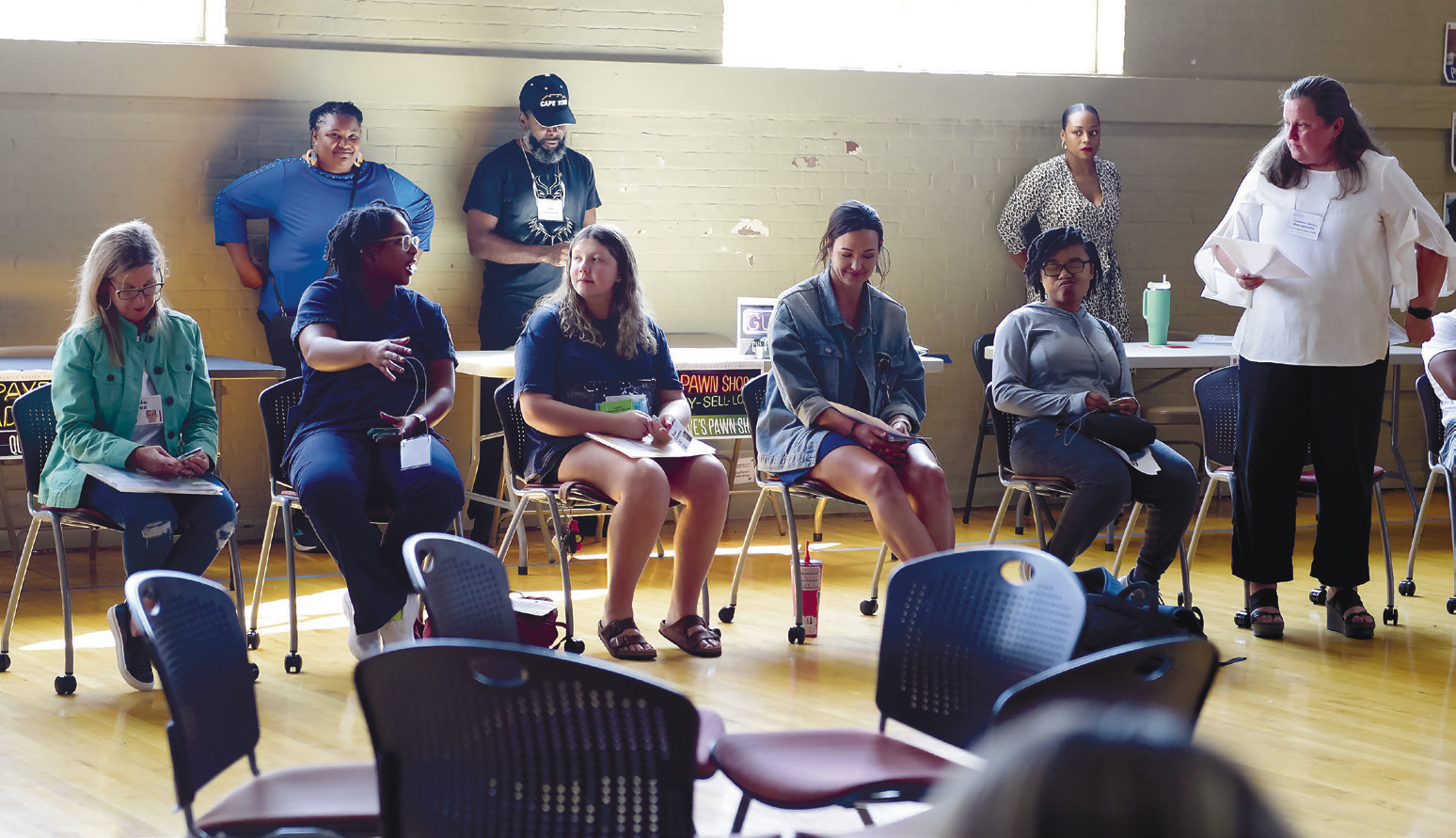
The simulated ‘community’ is a large room.
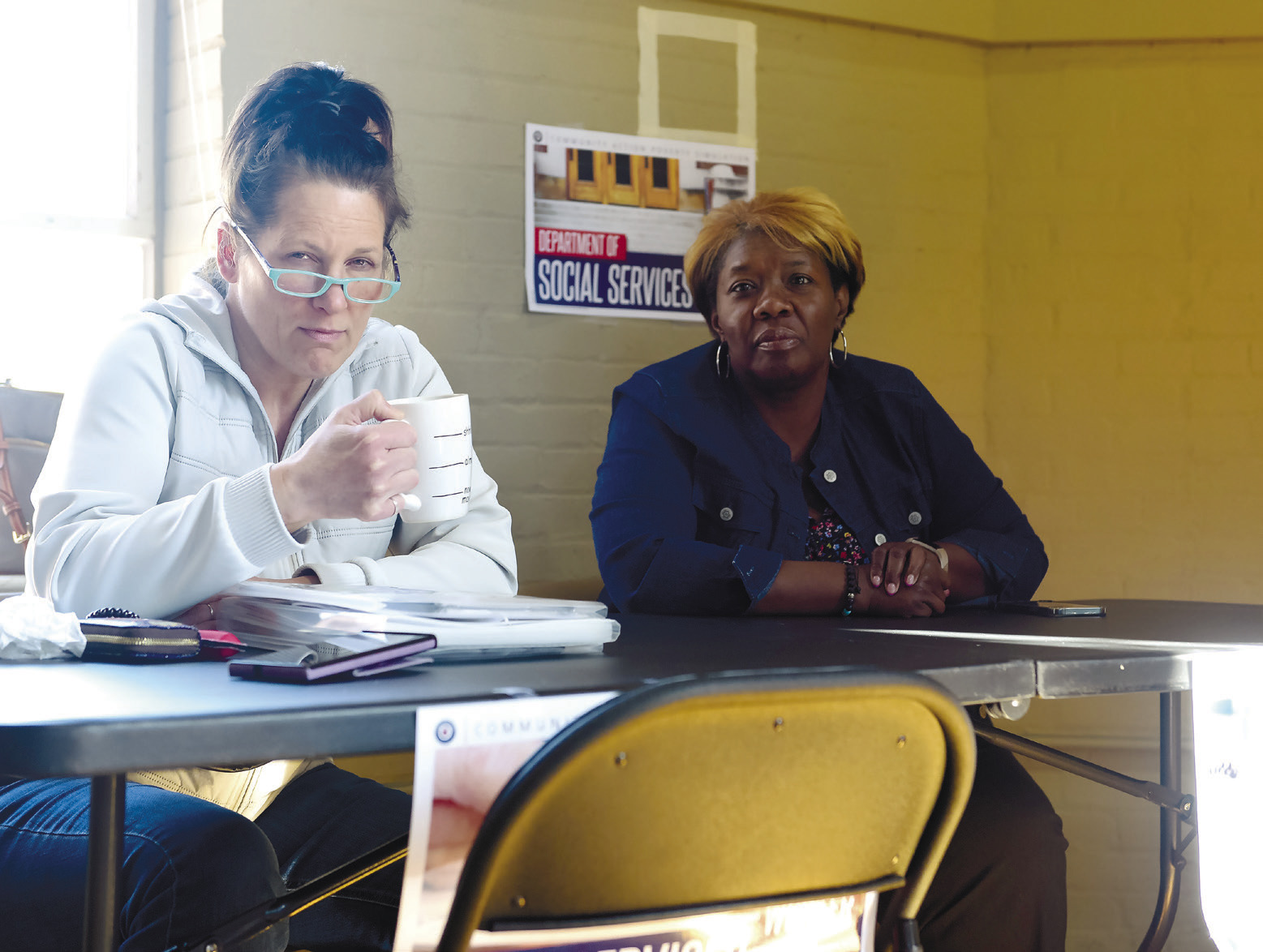
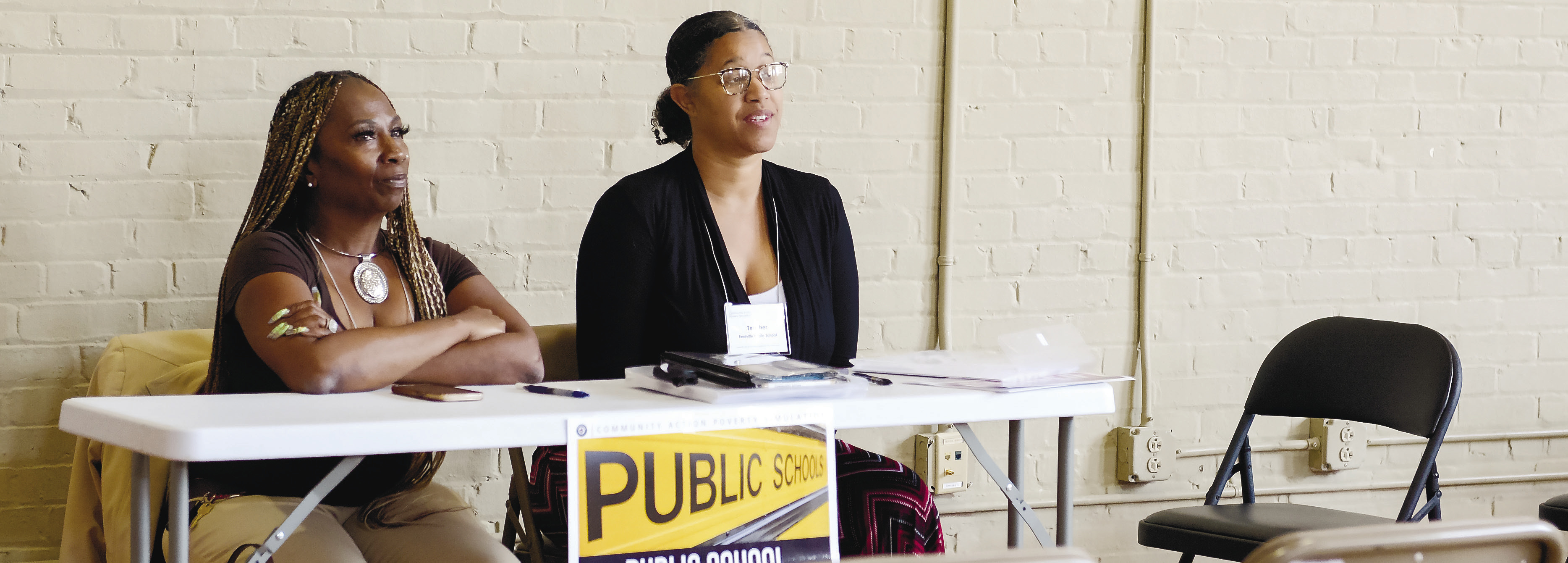
Students and their ‘neighbors’ homes are chairs in the center. The services they need like banks, schools and grocery stores are tables that line the perimeter of the room.
Throughout the course of four, 15-minute ‘weeks’ students face a range of stress and challenges based on stories of real life Community Action clients who live in poverty.
“We want students to be aware and sensitive of different backgrounds, so they don’t judge a situation immediately presented to them,” said Toyia Barnes, office coordinator for the School of Health and Human Performance.
“The Community Action Poverty Simulation allows students to actively live in poverty to understand it on a deeper level so they will avoid those biases in the future.”
The Dean of the College of Health Sciences, Sheri Noviello, learned about CAPS and wanted to bring the simulation to Georgia College to spread awareness and empathy for those in poverty and their situations. In a press release by University Communications, they noted millions live at or below the federal poverty level. Nearly 40% of Milledgeville’s residents live in poverty, which is 26% higher than the state average and nearly 30% higher than the national average, according to the U.S. Census Bureau.
Poverty is a reality that many Americans face and something that students will interact with throughout their lives and professions.
“Our goal is that those who participate in the simulation understand the structural barriers of poverty and the individual and emotional impacts that those individuals go through,” said Barnes.
According to Barnes, the simulation had a pre and post survey to help evaluate what students learned throughout the experience. Some key takeaways she noted were an increase in understanding about priorities, stress, and how hard it is to overcome poverty.
“In our pre-survey, students had some preconceived notions about poverty like if you work hard enough then it's easy to overcome and showed less understanding of the struggles and emotional difficulties related to being in poverty,” said Barnes.
“But in the post-survey our students showed a clear improvement in understanding and an increased level of empathy. Many of the students also expressed a concern to help by being able to navigate and offer resources to others and bringing this knowledge back to their home communities.”
Another takeaway from the simulation for both health science and education students was the hardships related to being in school and having access to healthcare.
Many students learned that their health problems were a low priority compared to the necessities of food, shelter etc.
Many education students were faced with the stress of simulating the life of a school kid unable to assist their parent and get finances for school necessities. They also noticed their simulated selves lacked the knowledge of the resources available to them.
“The students were faced with a lot of the stress related to these situations and it gave them perspective for their future jobs. One nursing student stated that she realized when patients come into the emergency room in a dire situation that she can now understand why the situation became so serious and offer some resources to avoid these situations in the future,” said Barnes.
“Our education students also learned about the importance of a teacher understanding the backgrounds their students come from, informing students about resources available, and helping students support their families.”
Barnes enthusiastically expressed that the event was a big success and said the plan is to host the simulation once during the fall and the spring semesters. The simulation will also be offered to professors to host in their individual classrooms and will be expanding beyond the College of Health Sciences into other majors.
“We already have professors who have requested CAPS for their upcoming classes,” said Barnes. “We plan to continue to expand its reach and work with students of all majors and backgrounds.”