
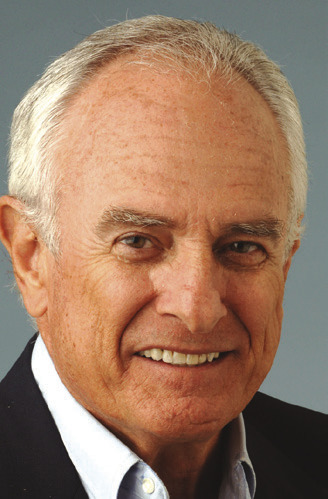
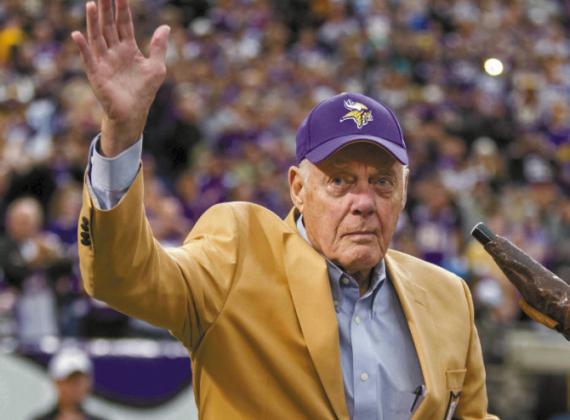
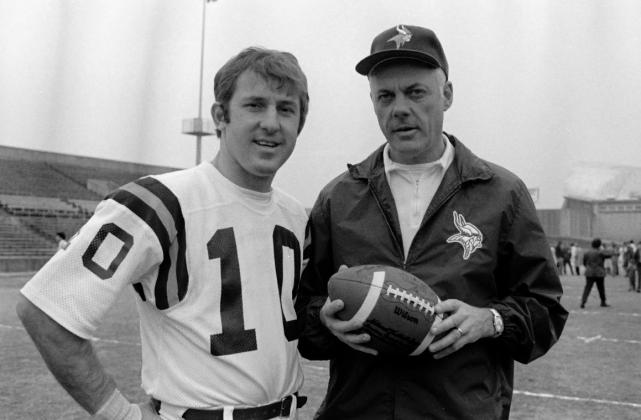
On my way to a pheasant hunt in South Dakota one brisk November day about 10 years ago, I made a stop in Minneapolis to visit with Bud Grant, an extraordinary football coach and a passionate outdoorsman.
With assists from Hall of Famer Fran Tarkenton and Vikings PR Director Bob Hagan, I was fortunate to spend most of a morning in sprightly conversation with Grant that lasted through lunch, talking football with an accomplished athlete who became an accomplished coach.
The central objective of my trip to the Twin Cities was to videotape a conversation with Grant about Tarkenton, a top quarterback in the NFL for a remarkable 18 years.
Spending relaxed and unhurried time with Grant, with about an hour of our conversation being videotaped for the UGA football archives, was one of the most enjoyable times I have ever experienced. Before the taping began, there was little football talk.
Knowing of my impending hunt, the old coach preferred to discourse about his days when he could knock down cock pheasants in a Minnesota grain field with the best of them.
He remembered his favorite dogs and their legacies. He recalled shooting ducks in a blinding snowstorm. The biting cold did not bother him. That negative was trumped by the good fortune he had in bringing home a generous bounty for his freezer.
Grant grew up in the snow and cold, so it was only natural that he was compliant with playing and working in those conditions. His players became mentally toughened by his refusal to put heaters on the sideline during Minnesota’s harsh winters, enhancing the Viking home-field advantage.
As the coach of the former Bulldog quarterback, Grant expressed the consummate regard for Tarkenton’s mental and physical toughness. “He never missed a kickoff. A quarterback’s greatest ability is durability,” Bud stated, visibly moved by his recall of Tarkenton’s resilience. “He was the best I have ever seen. He was such a competitor, he was brilliant and accurate – in fact, I don’t ever remember him missing an open receiver.”
Grant, who died earlier this month, won an NBA title while playing for the old Minneapolis Lakers and holds the North American record for interceptions in a playoff game – five while playing in the Canadian Football League for the Winnipeg Blue Bombers. As an NFL player, he led the Philadelphia Eagles in sacks as a defensive back one year, and the next year he was moved to offense and led the team in receiving.
Bud Grant knew what it took to play defensive back in the league, but he also knew what it took to succeed as a receiver, all of which led him to the conclusion that winning is all about the players. “If I have better players than you do, I should win, but to win a championship you have to be very lucky,” he said.
Grant’s luck ran out all four times he went to the Super Bowl, but he had a cogent philosophical take on that. How long did it take him to get over losing those Super Bowls? “About a day,” he said. “Football is entertainment, and you can’t let your defeats defeat you. In sports, we want to see who number one is, but those who lose the big game are winners by being able to play in the championship. You play your best and move on.”
Grant’s consistency of success, those Super Bowl Sundays notwithstanding, was exceptional. His first move when he took over the Vikings, after 10 years in the Canadian League, where he won four Grey Cup titles, was to find a way to bring Tarkenton, who had been traded to the Giants, back to Minnesota.
With the quarterback’s mastery of the short passing game, the team’s ability to run the football and playing great defense, the Vikings were annual playoff contenders and won the NFL Central Division title seven out of nine years.
If you want to vicariously experience Bud Grant’s exciting life, get a copy of his extraordinary story by connecting with his book, I Did It My Way, with writer Jim Bruton.
You’ll be graphically impressed with the story of a man who never tried to impress anybody. Bud Grant was as genuine as the tail feathers on a cock pheasant.