
>> PUBLIC HEALTH
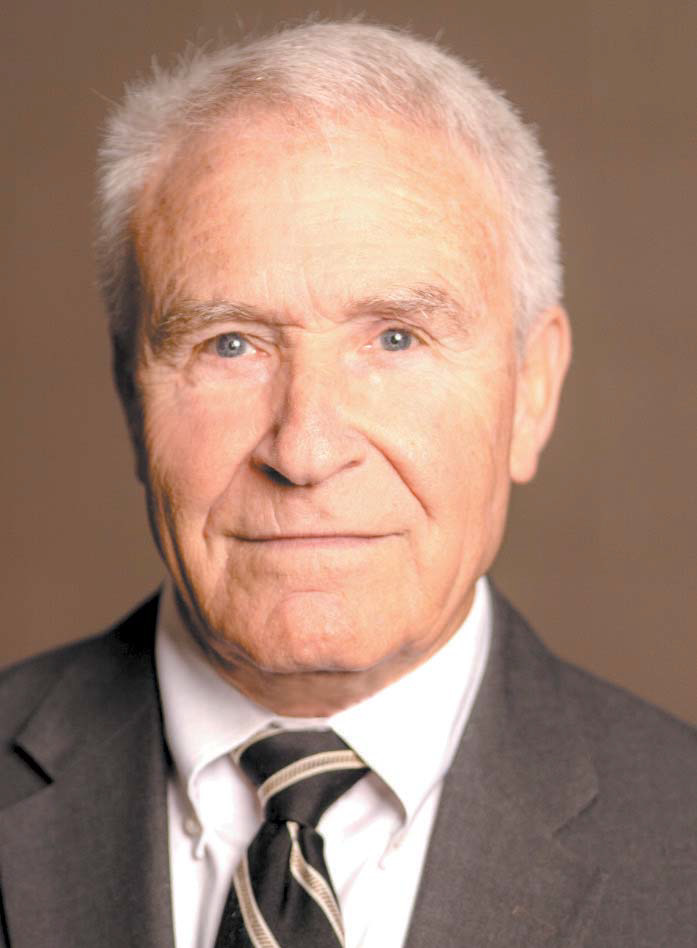
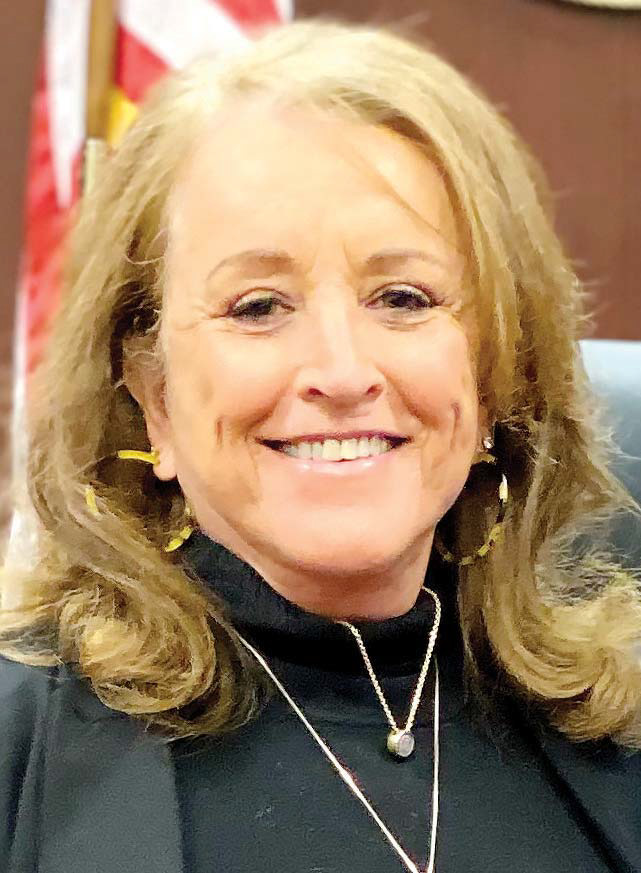
Brenda Trammell and Bill Massee are very familiar with mental illness and its effects on counties and the court system, as both deal with the disease on just about a daily basis.
While Trammell as chief judge of the Ocmulgee Judicial Circuit courts encounters mentally ill defendants on a more frequent basis than she would like, Massee – the longtime Baldwin County sheriff – does see it every day.
“We’re running at about 30 percent of our inmates with mental health issues,” Massee said last week, pointing out that the prior week there were 270 people in the local jail. “So, you might as well say we had 80 inmates that had some type of mental health issue.”
Both Massee and Trammell said inaction on the part of the state is a big problem.
“What really affects us operating a jail is when we have people that are in a crisis, especially in our jail,” Massee said. He explained that when an inmate is in a crisis, his department must obtain 1013, a doctor’s order to transport that individual to an emergency receiving center for evaluation, possible medication, and efforts to get them out of the crisis.
“When we do a 1013, we have seven days for the State of Georgia to honor it,” the sheriff said. “When it’s over seven days, we have to reinstate the physician’s order, and on some occasions, we have had to reinstate it three times, which would be over 21 days before we could take somebody from the jail. Clinical bed space is a big issue with us,” he added.
Massee pointed out that all 1013 orders do not originate in the jail.
“A deputy sheriff has to respond in the community to a mental health crisis, and if someone is acting out or is in a mental state where they need to be taken to a hospital, we will transport them to the hospital,” he explained. “If the physician signs a 1013, we are obligated to transport them to an emergency receiving facility.”
In the non-crisis situation, where an order for evaluation of a defendant in a pending criminal case is signed, the state’s inaction is causing problems there as well.
“It backlogs them in our jail because we’re months behind on mental evaluations,” Massee said. “The State of Georgia has very limited resources and people, clinical professionals that can do the evaluations, so these people languish in jail waiting.”
Trammell agreed with the sheriff and said the lack of timely services on the part of the Department of Behavioral Health and Developmental Disabilities (DBHDD) creates numerous problems for counties and the court system. On the front end, as Massee noted, is the wait time for needed mental health evaluations for defendants.
“What we’ve got now is a circumstance where the jails have become agents for these people because we don’t have the mental health services,” Trammell said. “The jails have had to become basically the extra beds that the state can’t provide in mental health facilities.”
Trammell cited as an example a recent Jones County case, where the accused remained in jail for more than 700 days awaiting an evaluation. District Attorney Wright Barksdale pointed out last week that the State didn’t even know that individual was in custody. The judge also mentioned a Wilkinson County case, in which the defendant sat in jail a year.
Still more delays
Once the evaluation is ultimately done, issues in getting reports back rise, Trammell said. She recalled a Morgan County case in which she called numerous times for the report because a trial was going to be a special set. However, the trial could not be set because she and the attorneys could not count on the evaluation being back.
Again, the judge pointed out, that DBHDD said ‘We don’t have enough people.’
Trammell also concurred with Massee as to the obligation of deputies to respond to calls that involve mental health issues and said those instances appear to be increasing.
“We’re going to have to have more and more services, but it does not appear that we are getting those services,” she said, Trammell said there is another problem with individuals struggling with mental health not having a place to live or having a place to go that has “active addiction issues.” She questioned how those who are challenged succeed when forced for whatever reason to live in that type of environment.
Trammell agrees with those advocating for more money and states that increased funding would be a step in the right direction but that more is needed.
“I think more money would help the situation, but we’ve got to have people that want to work with those that are mentally ill. If we don’t have the persons able to do evaluations, what do you do with that?”
Delays cost Baldwin County
Massee sees the issue of money from another angle: what it is costing Baldwin County to house and provide the necessities for inmates with mental health problems. He first looked at the medical expenses alone.
“If you look at the medical costs, and you figure 30 percent of the people in our jail are mentally ill, and you equate 30 percent of our medical costs, you would be talking about $200,000 of costs (annually) would be directly related to mental health issues in the jail,” he said. That would not include the time for salaries for deputies when transporting the inmates and other related tasks.
Massee went further in his analysis of medical costs in the county jail.
“We don’t arrest people for being mentally ill,” he said. “But we have some people that are in jail that had to be arrested because of actions they took during a mental health crisis or because of their mental illness.
“If you look at the jail costs and add that to it, of our jail costs, medical and housing, you’re really looking at a million dollars out of the Baldwin County budget that is directly affected by mental health.”
Massee pointed out that the total includes expenses for attending to inmates with mental health issues and minimizing safety concerns.
“On any given day our nursing staff in our jail is constantly seeing our patients and inmates, making sure they are on their medications and trying to keep them out of crisis,” the sheriff noted.
“It isn’t just a crisis issue,” he continued. “It’s a day-to-day monitoring issue, helping with medications, helping with keeping them out of crisis.”
The sheriff acknowledged that more state funding and timely services by agencies such as DBHDD would help but said problems and costs would persist.
“We are going to have expense,” he said, “but, it is exasperated by the cutbacks that the state made on their mental health programs when they closed all the hospitals and bed space. They pushed the costs that the state at one time covered; now it’s an obligation of county government.”
Trammell agrees with Massee’s evaluation of the problem and believes there must be a better way to deal with mental illness in the court system. While neither has a direct solution, they will not stop trying to do what they can to improve the system.
“It’s not like you can turn your back on these people. You just can’t,” Trammell said.