
The School of Continuing and Professional Studies at Georgia College & State University has another unit that is directly connected to the local community: Historic Museums.
The Historic Museums unit was originally created by Matt Davis in 2017 to organize three different historical locations attached to Georgia College. These locations are Georgia’s Old Governor’s Mansion, Andalusia Farm and the Sallie Ellis Davis House. Together these three locations bring more than 15,000 visitors to campus and Baldwin County each year.
“This unit was frankly created for organizational purposes so all the museums and their separate spaces could be inside one common structure,” said Matt Davis, director of historic museums. “And within this unit, the frontline of all our staff at these locations are Georgia College students so we have a great deal of interaction with the student body. As the director over the unit, as well, it makes it easier to offer community events, planned tours, and so much more that are open to our student body and the wider community.”
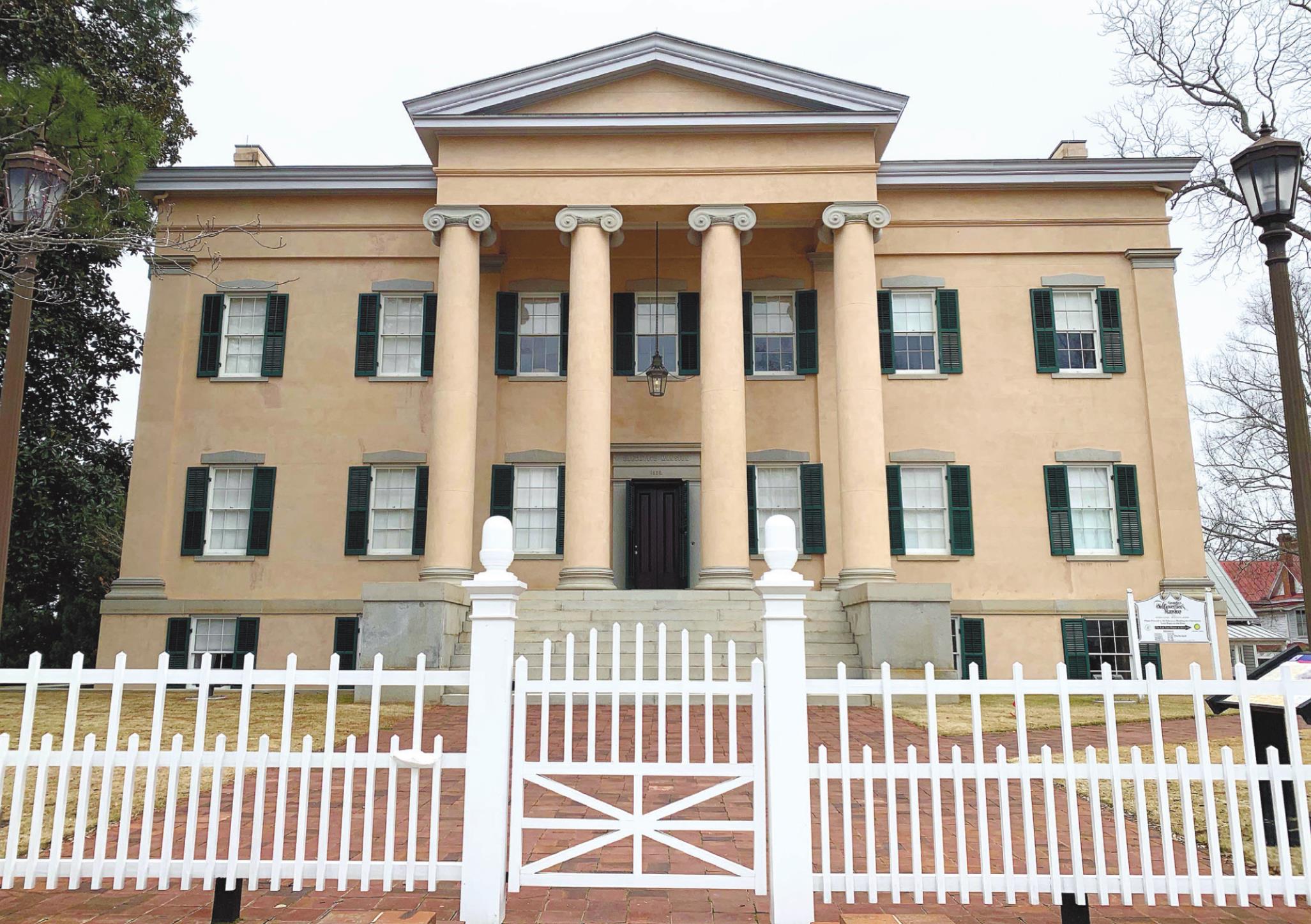
Georgia’s Old Governor’s Mansion was a founding building of Georgia College and was originally given to the university in 1889. It served as the home to the college’s presidents until 1987 and then maintained their offices until 1996. In 1996, the mansion became an official museum. The mansion also served as the residence for Georgia’s chief executives for more than 30 years and is well known for being one of the nation’s finest examples of High Greek Revival architecture.
The mansion has received numerous awards over the years. It was designated as a National Historic Landmark in 1973 and is an accredited museum of the American Alliance of Museums. In 2015, the Mansion was named an affiliate of the Smithsonian Institution. In 2018, it received the Georgia Association of Museums and Galleries Institution of the Year award.
“Though it became an official museum in 1996, the mansion has actually had tours in it since the 1940s,” said Davis. “And it’s very notable to the college because it was the first true structure that was given to the university.”
The mansion has guided tours during the week with educated tour guides who are typically Georgia College students. These tours can also be more specific to schools, seasonal options or there are a variety of specialized tours also offered. The website also offers options of virtual tours. In addition, the website for the mansion provides numerous educational lesson plans and resources for groups, schools or local families who are coming to visit.
“The governor’s mansion operated from 1996 to 2012 as the only historic house museum on the campus but then we gained the Sallie Ellis Davis house as a property and operated it as a museum as well,” said Davis.
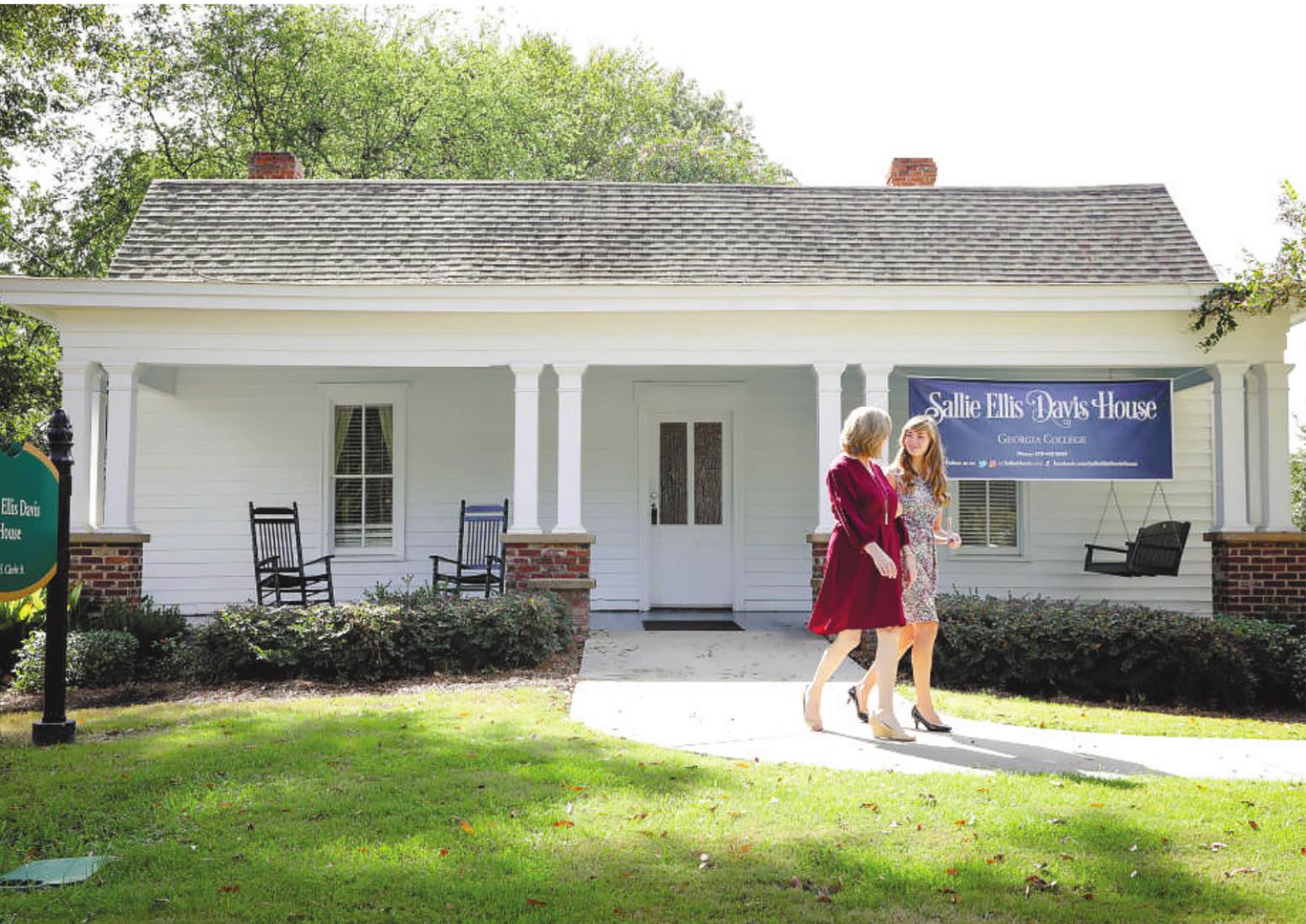
The Sallie Ellis Davis House was the home of a Baldwin County teacher who was an inspiration and a pillar of the African American community. Davis worked her entire career as a teacher and principal at the Eddy School. Davis maintained correspondence with some noted historical figures such as George Washington Carver and W.E.B. Du Bois. She was known for always going above and beyond to refine her education for her students. In addition, she allocated half of her home as a boarding house so that students who were unable to commute to school had an opportunity to live with her as a boarder. Since April of 2012, her home has been available for historic tours
Like the mansion, the Sallie Ellis Davis house is open for guided tours, field trips and virtual tours. However, the house is also used as a rental space for group meetings, conferences and events. Historic Museums also host exhibits within the home throughout the year. Currently the exhibit is “The Unheard African American Story: An Exhibit Series from 2020 through 2022.” The exhibit is currently showing a focus on the history of U.S. policing and incarceration.
“These spaces can be used for some reflection and memory. These museums not only offer an academic basis of study and reflection and learning, but it’s also a great tool for bringing people to our community and bringing people together,” said Davis. “So, our mission is to create living exhibits for these resources and the information associated with these places for both the campus and the community to reflect on and remember.”
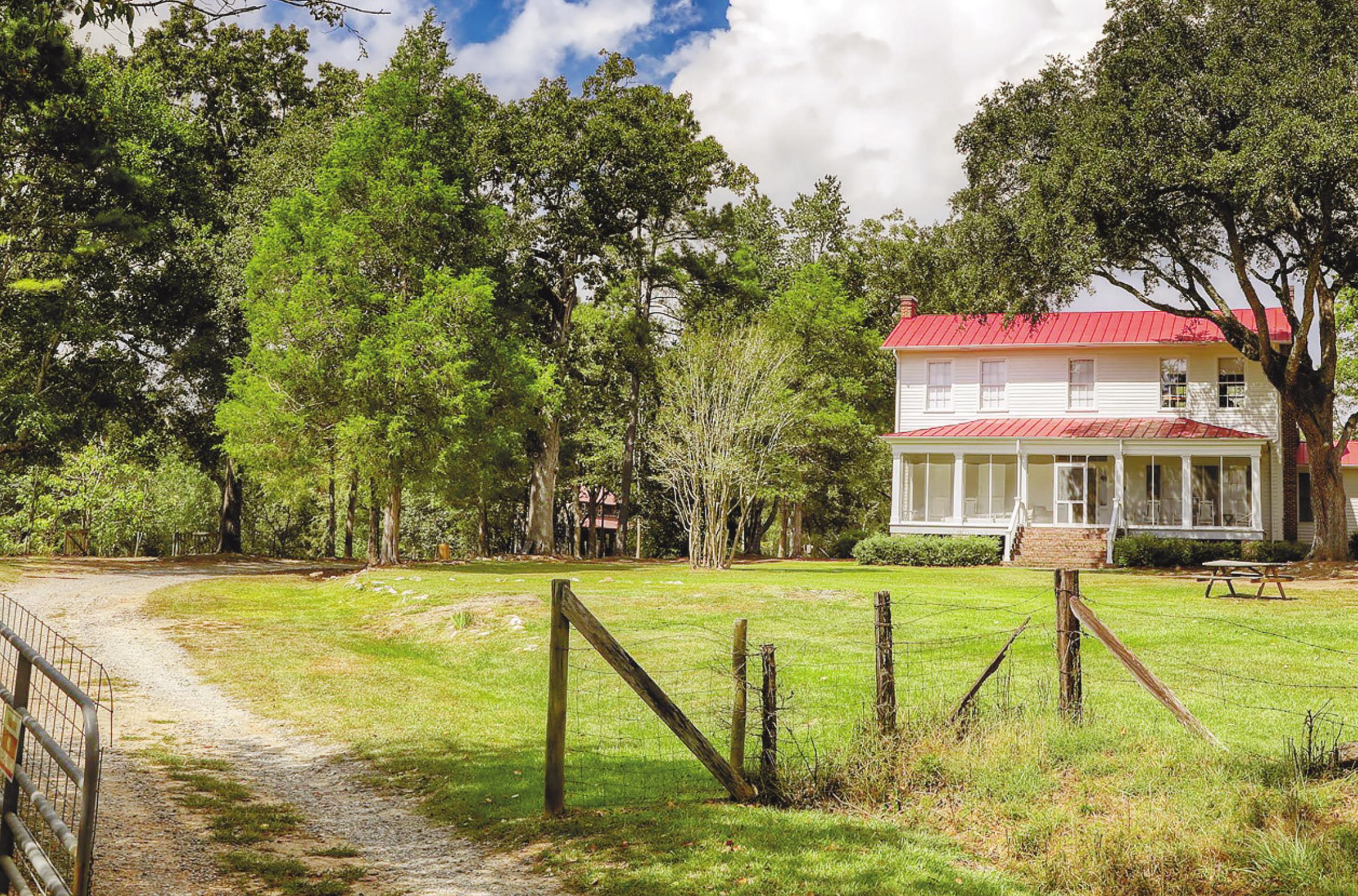
Andalusia Farm was the third property acquired before the unit was created. The farm served as the home of famed American author Flannery O’Connor from 1951 through 1964. O’Connor was a student of Georgia College when it was known as the Georgia State College for Women. During her time there, she worked as the art director and cartoonist for the school newspaper, the Colonnade. During her time on the farm, O’Connor would complete the bulk of her literary work from the inspiration of the farm environment. The farm has also received multiple awards over the years. In 1980, Andalusia Farm was listed on the National Register of Historic Places. In 2019, Andalusia was listed as a “Distinctive Destination” by the National Trust for Historic Preservation and in 2022 was designated as a National Historic Landmark by the National Park Service.
On the farm, Historic Museums offer guided tours, self-guided tours of the outside of the farm and group guided tours. Historic Museums also hosts a range of exhibits in the main farmhouse throughout the year. Currently, they are running the “Drop Me a Card” exhibit that showcases different ways people share their feelings through cards sent to the O’Connor family and how this correspondence helps to tell their story. In addition to these services, the website also provides educational resources including lesson plans, programs, an education packet and an architecture scavenger hunt.
Historic Museums preserves and maintains three essential buildings that were homes to very notable and popular individuals in Baldwin County’s history. The unit continuously works to offer educational experiences for the community and teach about the history of Baldwin County and the impact local individuals had on the county and American society.
“We’d love for anyone to come visit if they have not been to our locations before,” said Davis. “Hours of operation and addresses can be found on our websites.”