
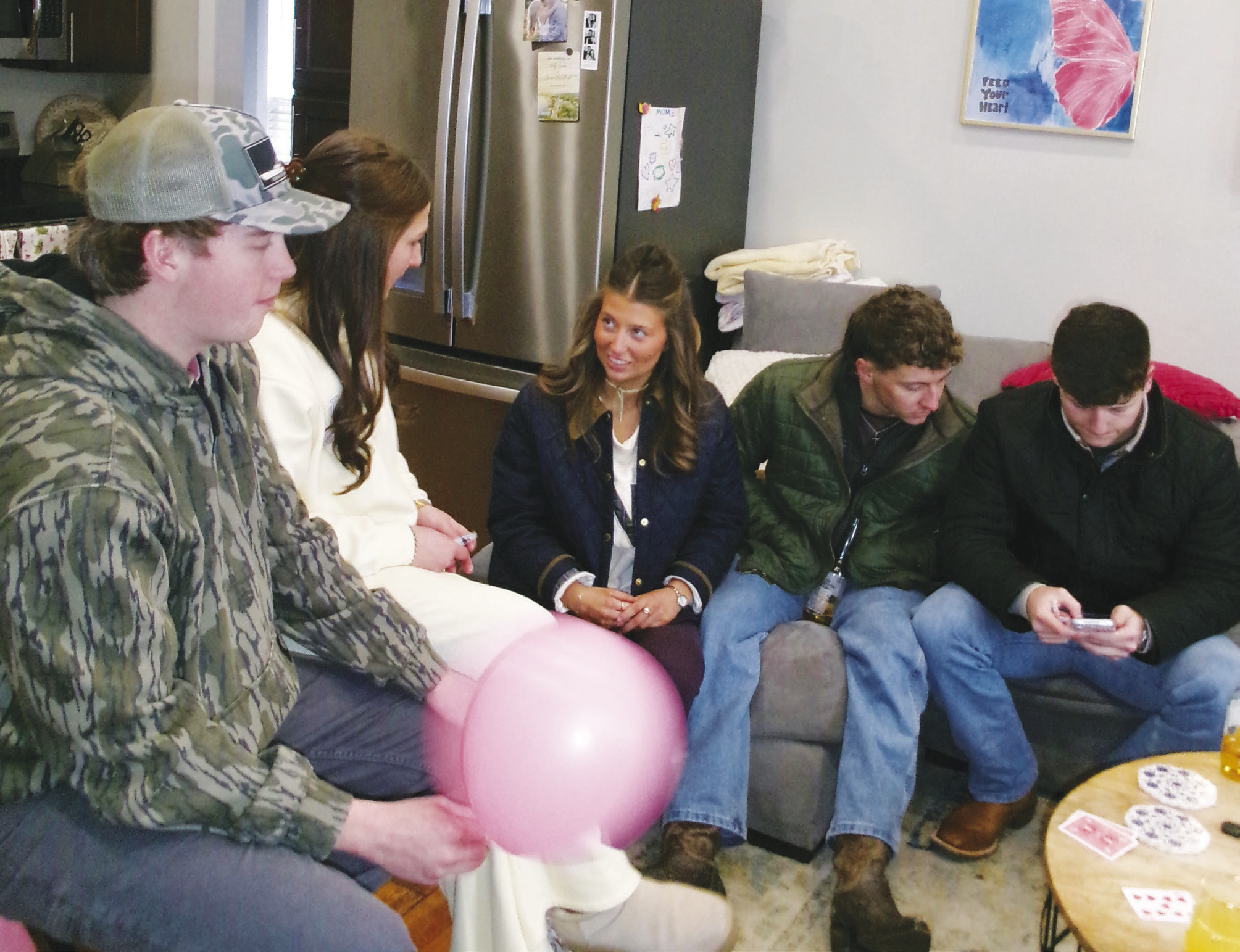
Whether some of you like it or not, the act of small talk has heavily decreased over the past few decades.
The digital age came long ago, and it’s evident it’s here to stay. With text messaging, emails, and meaningless comments on social media giving us the quickly fleeting satisfaction that we have had some form of social interaction that day, we’re seeing less and less in-person conversations.
As a communications specialist at TK Elevator, I have paid attention to the people immediately getting on their phones when they enter an elevator instead of simply saying “Hello” or striking up a conversation.
According to the New York Post, “A poll of 2,000 employed adults found 74 percent struggle to make light conversation with co-workers in the kitchen or elevator. Overall, 27 percent say they are more comfortable communicating online than in person.”
Even coworkers are more comfortable shooting someone a Microsoft Teams message instead of walking 10 feet to ask them a question in person.
Small talk is an integral part of humans forming deep connections and building their social status.
When asked about the importance of small talk, rhetoric Professor at Georgia College & State University Nathan Bedsole explained why society cannot turn its head away from this practice.
“Small talk employs and trains our phatic communication: communication not really about anything, but communication that affirms our social nature and builds our social link,” Bedsole explained, “These social interactions build community and provide for relational maintenance.”
Even just a few words to a stranger or a friend can benefit the psyche. But why is it that people avoid these interactions? Is it really only due to the rise of technology?
“A few reasons come to mind,” Bedsole said. “One I’ll surface here is the unexpected, slippery, ‘live’ situation of the interpersonal encounter versus the comforting, algorithmically-driven scroll cradle we spend lots of our down time in. If we’re used to unrelenting feeds of the expected and tailored, any break from that can feel jarring or induce frustration.”
As I walked on the front campus the other day, I noticed so many groups of people studying on the grass in groups, walking side by side, or playing fetch and football together. It seemed like everyone finally had their phones down and were happy because they were interacting with others.
Georgia College senior Olivia Peters, who wrote an informative speech on third spaces and the decrease of small talk, explained her stance on the matter.
“Small talk strengthens our social skills, which help us navigate interviews, meet new people, and enhance our social settings,” she said. “We need small talk to build trust with the people around us and establish common ground.”
So next time you’re in an elevator or passing someone on the sidewalk, instead of keeping your head down or scrolling on your phone, instead say hi, compliment their outfit, or ask them about their day.
That interaction might just change both your lives.