
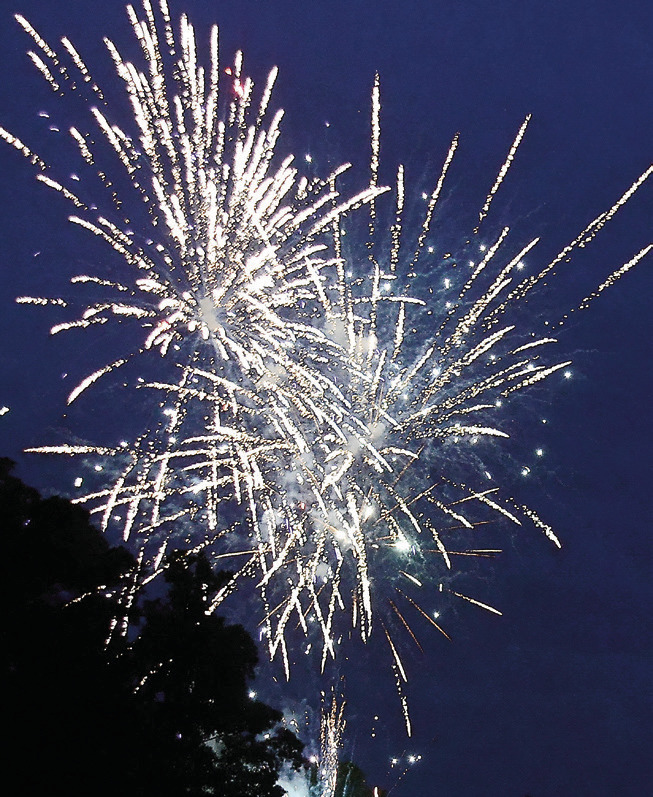
The Fourth of July, also known as Independence Day, has been a federal holiday in the United States since 1941 and is celebrated each year on July 4 with the boom of fireworks, celebrating the freedom and foundation of America today.
According to the History Channel, a television network and online resource that offers educational videos and articles, the tradition of Independence Day celebrations dates back to the 18th century and the American Revolution.
“In the pre-Revolutionary years, colonists had held annual celebrations of the king’s birthday, which traditionally included the ringing of bells, bonfires, processions and speechmaking,” states a “History of the Fourth of July” article at History. com. “Festivities including concerts, bonfires, parades and the firing of cannons and muskets usually accompanied the first public readings of the Declaration of Independence, beginning immediately after its adoption.”
Philadelphia held the first annual commemoration of independence on July 4, 1777, when a ship’s cannon fired a 13-gun salute in honor of the 13 colonies, beginning the tradition of fireworks for the celebration. However, several months before the American victory at the Battle of Yorktown, Massachusetts was the first state to make July 4 an official state holiday.
“After the Revolutionary War, Americans continued to commemorate Independence Day every year, in celebrations that allowed the new nation’s emerging political leaders to address citizens and create a feeling of unity,” the History.com article further stated.
In 1870, the U.S. Congress made July 4 a federal holiday and in 1941, it became an official paid holiday for all federal employees. Due to this adaptation, Independence Day became another nationwide “day off’ and slowly adapted to a leisurely celebration.
Many use the Fourth of July to host cookouts, take vacations, spend time with family, or even set off fireworks themselves. However, people all across the country still gather at various locations in large groups to watch municipal or regional firework displays, enjoy firecrackers and sparklers, and observe the holiday with a flash of colors together.
While the Fourth of July may be less formal or somber than some other federal holidays, its significance can still be seen by how many choose to dress in our country’s colors or proudly carry the flag with them, and how, despite the years, everyone comes together to watch something beautiful and significant.
According to Brittanica. com, “during the later 20th century, although it remained a national holiday marked by parades, concerts of patriotic music, and fireworks displays, Independence Day declined in importance as a venue for politics. It remains a potent symbol of national power and of specifically American qualities – even the freedom to stay at home and barbecue.”
The name Independence Day will always hold the historic significance of when the United States became independent from Great Britain; however, it also celebrates how each and every person in the present has the freedom to choose how to celebrate and what matters most to them. And with fireworks created in such a wide variety of colors and styles – just as our country is made up of a wide variety of people with unique appearances, personalities, and beliefs – that’s cause for celebration itself.