
The Baldwin County School District’s Nutrition Department was nationally recognized with the Innovation in Nutrition Education Award as part of the United States Department of Agriculture’s Action for Healthy Kids’ Healthy Meals Incentives Recognition Awards.
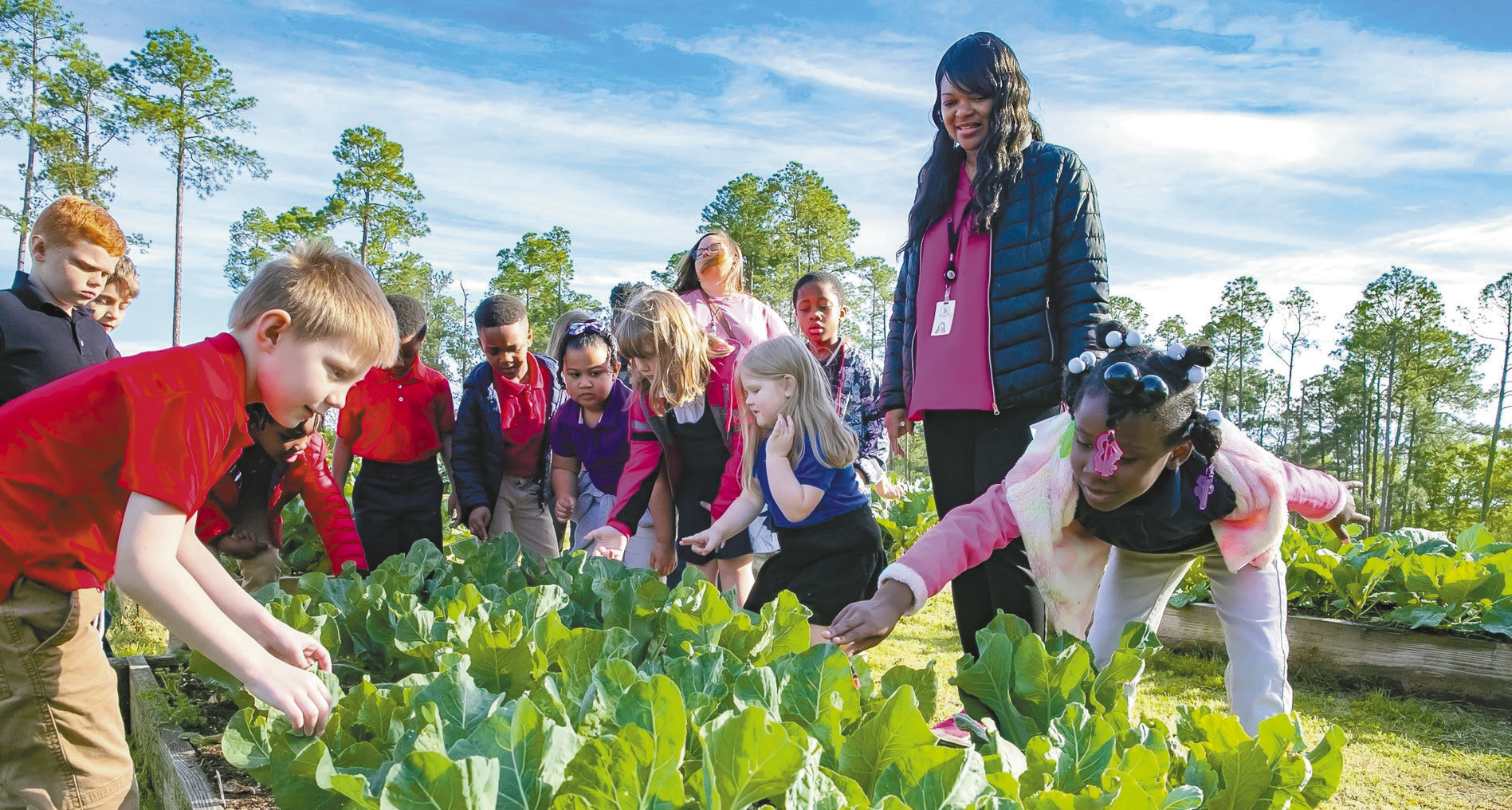
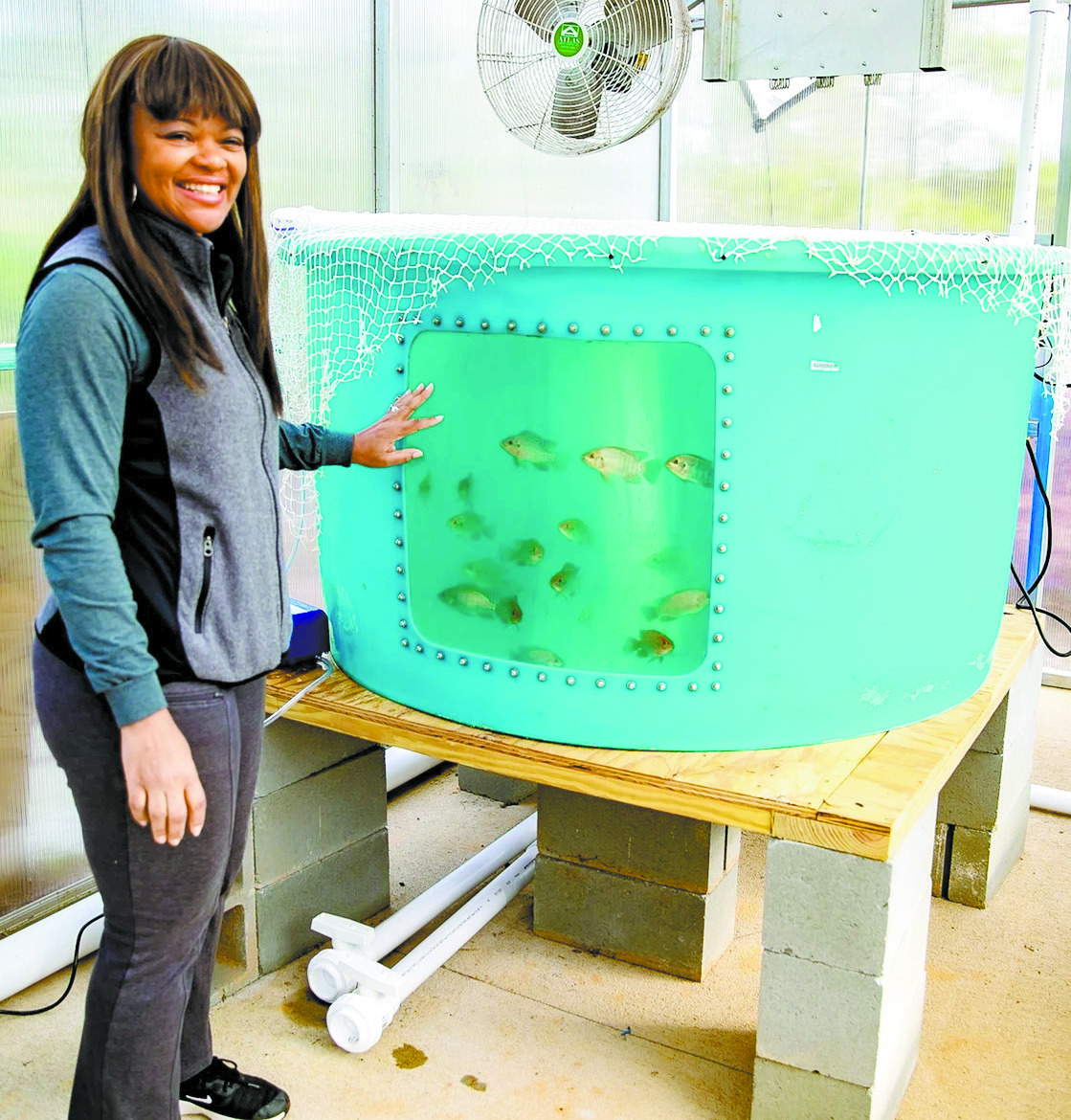
Nutrition Wellness Coordinator A’keti Mayweather joined the school district in 2018. That same year, she helped to plant the first gardens in a 1.5-acre space at Baldwin High School to provide food and hands-on nutrition education. The first goal beyond establishing the gardens was to turn the abandoned greenhouse into the Baldwin Grows Learning Lab, which is presently an aquaponics greenhouse. According to a press release from the school district, 79 fish help sustain the garden. Students learn how aquatic ecosystems work, how fish provide essential nutrients for plants, and how those plants’ cycles work to feed students in the cafeteria.
“We were looking at ways to improve physical activity and nutrition in the school district. We were also observing what food was being offered to our students,” said Mayweather. “Then, six months after I started, a board member gifted us the land that they were clearing to establish the gardens to provide food for students and offer hands-on reinforcement of the curriculum.”
Since the first project, the efforts expanded to include about 200 planting beds across all seven schools and mini hydroponics and aquaponics labs in each STEAM Lab.
“Our vision was that students from all across campus could come to the Baldwin Grows Garden and learn about all types of gardening techniques,” said Mayweather. “And following this vision, we began garden programs at each school that every teacher can use to teach and reinforce curriculum standards. We are happy about the growth we have seen in the program.”
The district follows the farm-to-school model that aims to connect “classroom learning directly to the lunch tray, creating a powerful, real-world connection to healthy eating,” according to the press release.
“Food insecurity is something we deal with in our community. For some of our students the only hot, nutritional meal they get is at school,” said Mayweather. “We are teaching them that they do not have to be dependent on stores or other means to have access to healthy meals. Nutrition education is about giving them ownership of their health and giving them the power to make informed choices. Nutritional and balanced meals help with chronic illness, concentration, and much more.”
According to Mayweather, students have told her of starting gardens at home.
“As they grow, these skills will be instilled into them, and we hope more students will apply these skills at home.”
Moving forward, the school district has partnered with the University of Georgia on a garden plan to introduce new produce, fruit trees, and strengthen the pollinator plants and STEAM lessons for hydroponics and aquaponics. The district has received a grant from Whole Kids Foundation to purchase the fruit trees and is in the process of purchasing and planting them.
“With the produce schools grow, we do taste testing with the kids in the classroom and also cook with students in the classroom, our nutrition department buys produce from our middle and high school gardens to offer more scratch-cooked meals, and we also try to partner with restaurants and food pantries to share excess products,” said Mayweather.
In August, the department received the Lunch Trailblazer Award, signifying its first national award. The work that they have completed using grant funding to meet new goals has allowed them to apply for these awards.
“Awards help us prepare for new USDA regulations. Actually, the grant that led to us applying for this award led us to reduce the amount of sodium in our meals, which is a new regulation,” said Mayweather. “We are ahead of the game because we continue to study these items (meals, gardening, nutrition, et cetera) over the last two years.”
Mayweather also reported that the Food Corps Service Members helped to bring professionals into the classroom to teach about nutrition. This program was in the district for five years before it lost funding. However, the district plans to look into ways to bring the program back.
“It was a very beneficial experience for our elementary students, and we wish to offer it again. It is one of many goals we have to continue to improve our program and provide for our students,” said Mayweather.