
>> GEORGIA COLLEGE
Just in time for the United Nations World Soil Day, Dec. 5, GCSU students are researching millipedes—important for forest decomposition— and making children’s books about healthy soil and the unseen underworld beneath our feet.
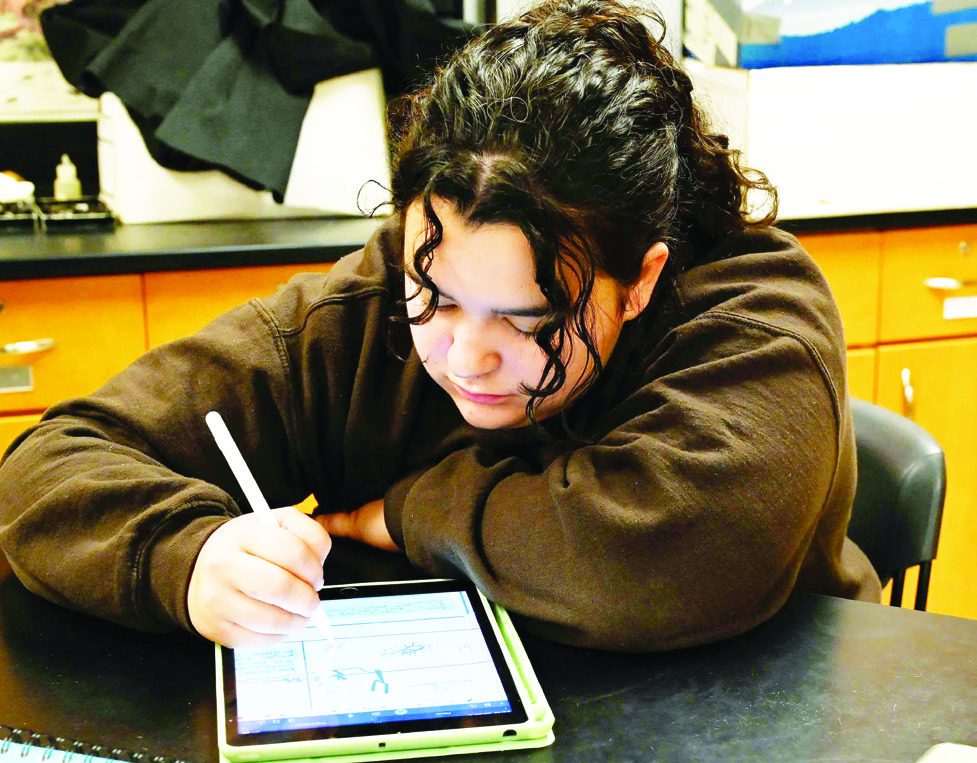
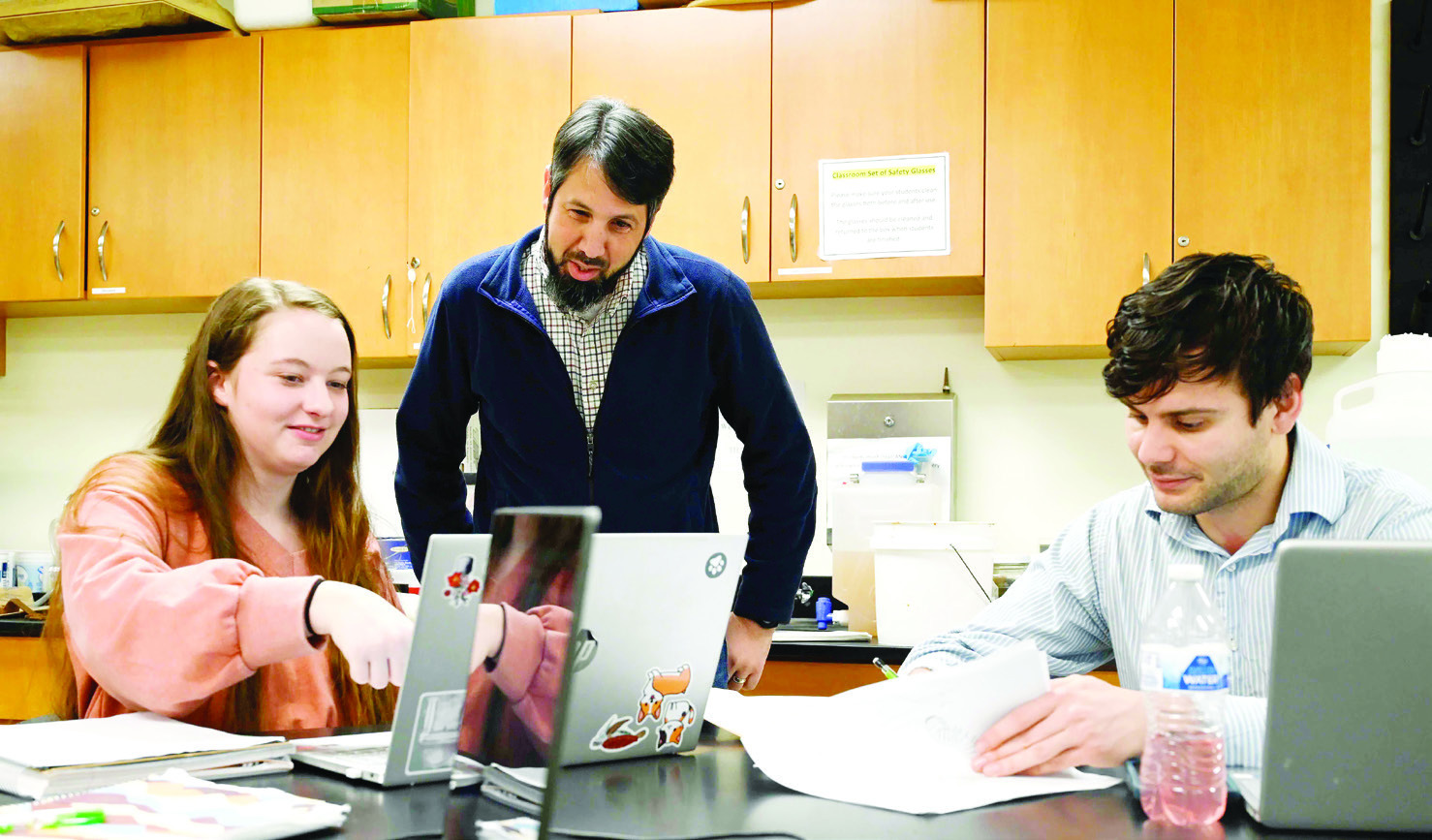
Students in Dr. Bruce Snyder’s soil ecology class wrote books for children preschool age through 12. They covered various topics about dirt and critters that help nourish the earth’s soil.
“Just as you would for a term paper,” said Snyder, an associate professor of ecology, “you still have to find the primary literature. You still have to write something that’s scientifically accurate and flows. It has to have good grammar and all the same writing skills.”
“You still have to make it clear to your audience,” he said. “With kids, it can be more challenging, so it’s the same amount of work. It’s just a different format and audience. Plus, it’s more fun.”
The assignment helped students break down complicated science and communicate what they learned in class.
Books could be fiction or nonfiction, simple or complex, online or bound. They were graded on appropriateness, story flow, technical precision, ease of reading, creativity, and grammar.
Students who wrote books included: Grace Cote, an environmental science major with minors in biology and Spanish, who wrote her 64-page book geared toward 7-to-10-year-olds with characters like fungi, termites, and worms, who help a farmer replenish his soil.
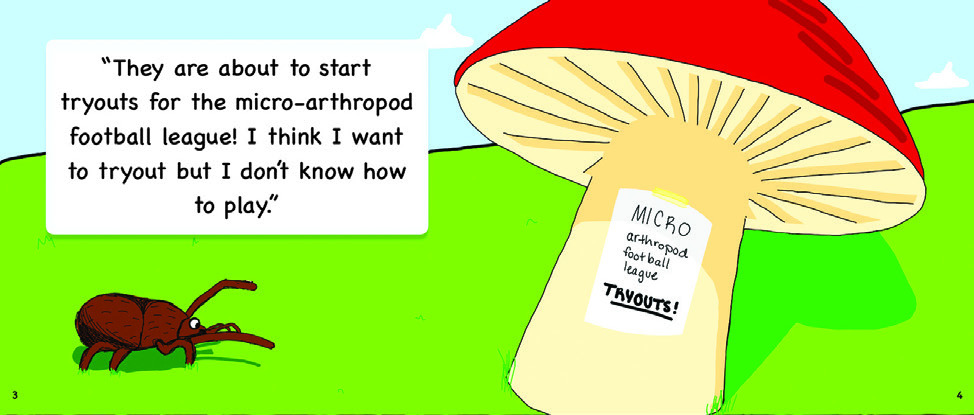
Senior environmental science major Wiley Bundy mixed science and sports in her book for 5-to-7-year-olds. It’s about a mite who wants to join the Micro Arthropod Football League (AFL).
Second-year graduate student William Wittstock chose a younger audience for his 30-page book, rhyming his text like Dr. Seuss. The book is called, “Milo the Millipede and Guardians of the Garden.”
Elena Cruz, a first-year graduate student, chose the ugly grub for her topic. Her grub is smaller than the others and doesn’t quite fit in. He has a “coming-of-age journey.”
Only two universities in the United States have millipede labs. Georgia College is one of them.
Their legs help millipedes forage and feed, making them the ultimate composters—nature’s No. 1 soldier in waste management. They’re responsible for breaking leafy material into nutritious soil for trees and plants. They speed up forest decomposition, filtering our air and water. They help reduce erosion and keep the soil moist.
More than 13,600 species of millipede have been described worldwide, but only about 110 in Georgia—what Snyder calls a “black hole” of information, something he and his students are working to change.
Cruz is one of several students doing research with Snyder too. In her genome project, Cruz is using DNA to sequence the entire genetic code of a local species, Cherokia Georgiana—commonly known “as the wrinkled flat-backed millipede.”
Other students are listing and mapping various species in the state and finding ways to track millipedes to see where they go, what they eat, and how they interact.
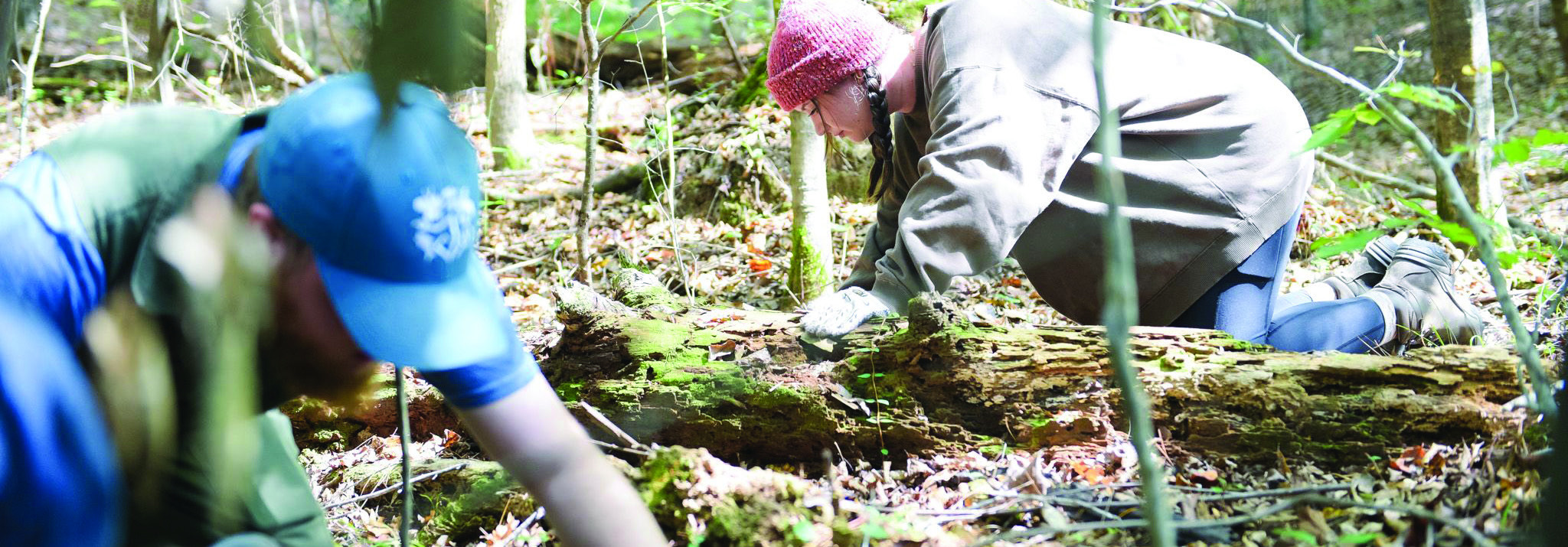
You can often find Snyder and his students in the woods at the Lake Laurel Biological Station in Milledgeville—squatting and rummaging through piles of dead leaves, peeling bark from decaying logs, and peering under rocks.
The group risks chiggers, ticks, and poison ivy to find the ever-elusive arthropods. They’ve found new species too.
“It’s a very big state. There are a lot of places we haven’t explored—that no previous researchers have explored,” Snyder said. “So, every time we put a shovel in the ground, so to speak, we're finding undescribed species or species that are known but new to the state.”